Byeongseong Choi
Postdoctoral Fellow, KAIST–KAERI InnoCORE Program

Daehak-ro 291,
W1-2 Building of Applied Engineering,
Daejeon, Korea 34141
byeongsc AT kaist.ac.kr
I am a postdoctoral researcher in the KAIST–KAERI InnoCORE Program. My current research focuses on risk and resilience of small modular reactors (SMRs) under extreme events, with an emphasis on probabilistic hazard/climate modeling and risk analysis. More broadly, my expertise lies in uncertainty quantification, probabilistic modeling, and risk-informed decision-making for civil, environmental, and infrastructure systems. I integrate physics-based models, statistical inference, and data-driven methods to characterize complex systems under uncertainty.
Previously, I was a postdoctoral fellow at The University of Texas at Arlington, where I worked on sensing-enabled urban system modeling for air quality and environmental decision-making. My research integrated satellite observations, low-cost sensors, and government monitoring networks, with applications to environmental justice and sensor network design.
My prior work has also addressed probabilistic modeling of urban heat and building energy demand, as well as probabilistic seismic hazard and loss assessment for regional infrastructure systems.
I hold my Ph.D. degree in Civil and Environmental Engineering from Carnegie Mellon University and M.S. and B.S. degrees in Civil and Environmental Engineering from Seoul National University.
Research Interests
- Spatiotemporal modeling of natural, environmental, and climate-related hazards
- Uncertainty-aware modeling and risk assessment for large-scale infrastructure systems
- Environmental sensing and monitoring systems with multimodal data fusion
- Decision support for infrastructure systems under uncertainty
Research Experiences
Decision support for resilient urban, infrastructure, and environmental systems through uncertainty-aware modeling and data-driven analysis across scales.
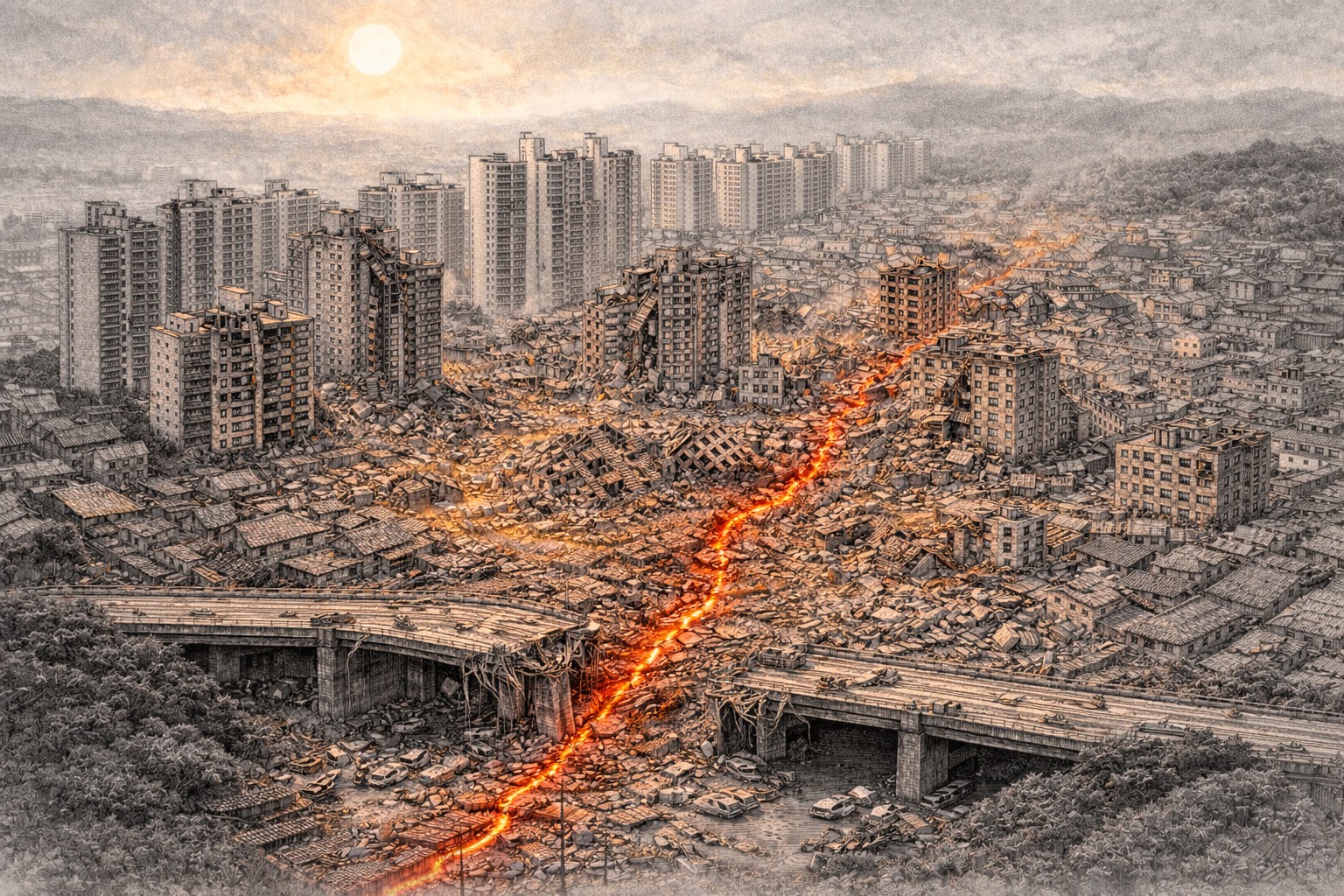
Infrastructure Risk & Resilience
Uncertainty-aware modeling and risk assessment for large-scale infrastructure systems exposed to seismic hazards.
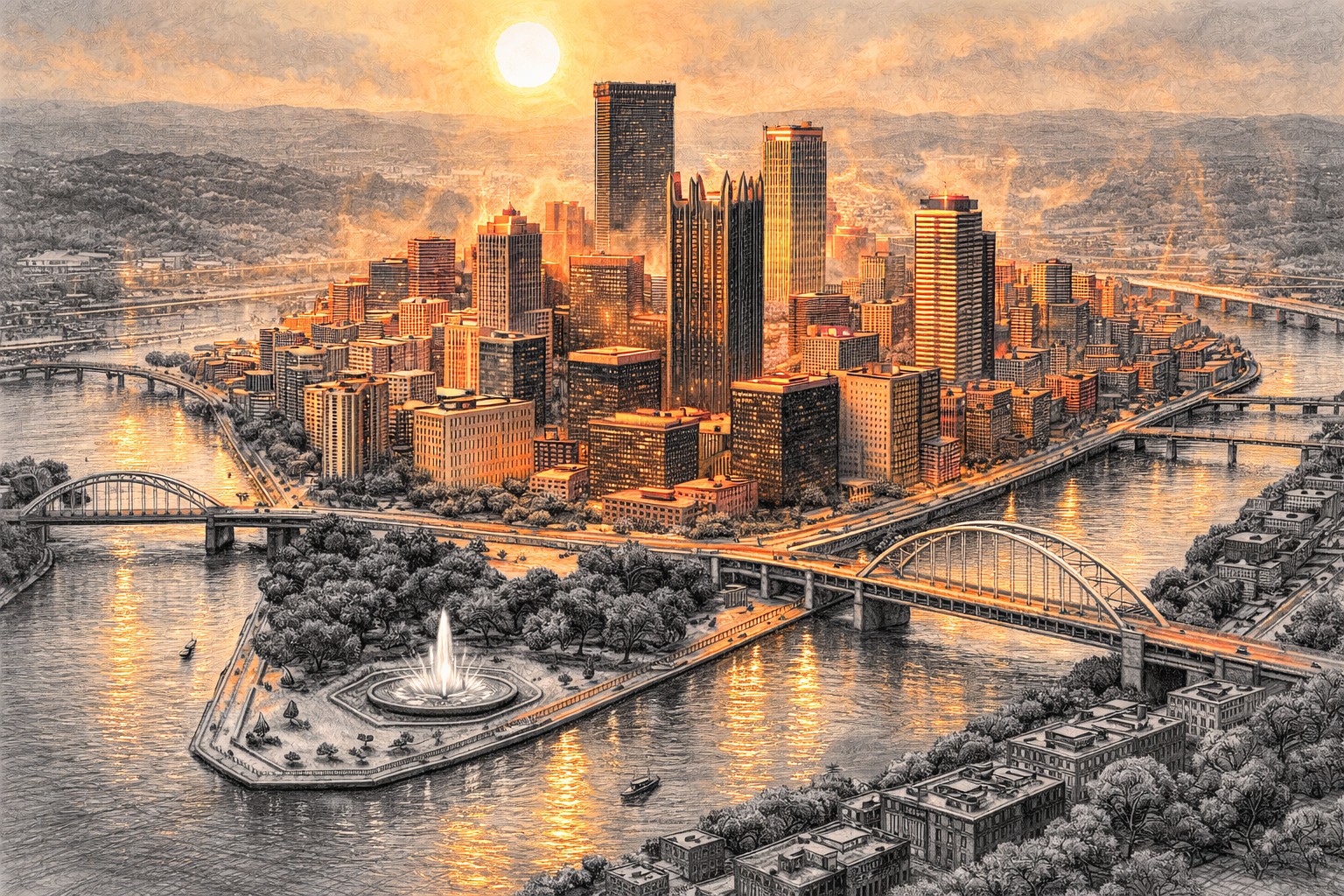
Urban Heat & Building Energy Systems
Uncertainty-aware modeling of urban climate impacts and decision support for building energy systems.
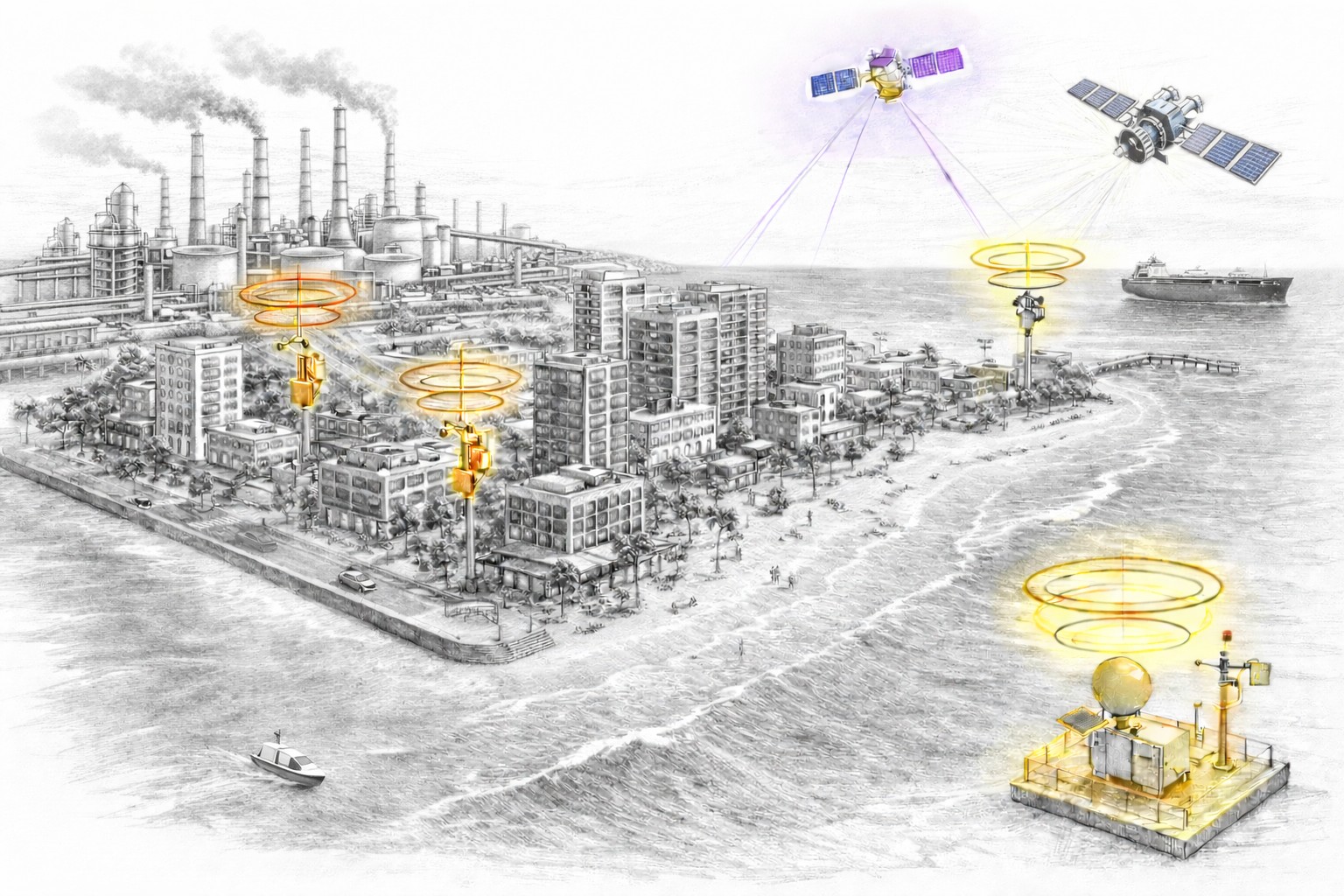
Air Quality & Sensing Networks
Multimodal sensing networks and data fusion for urban and environmental monitoring.
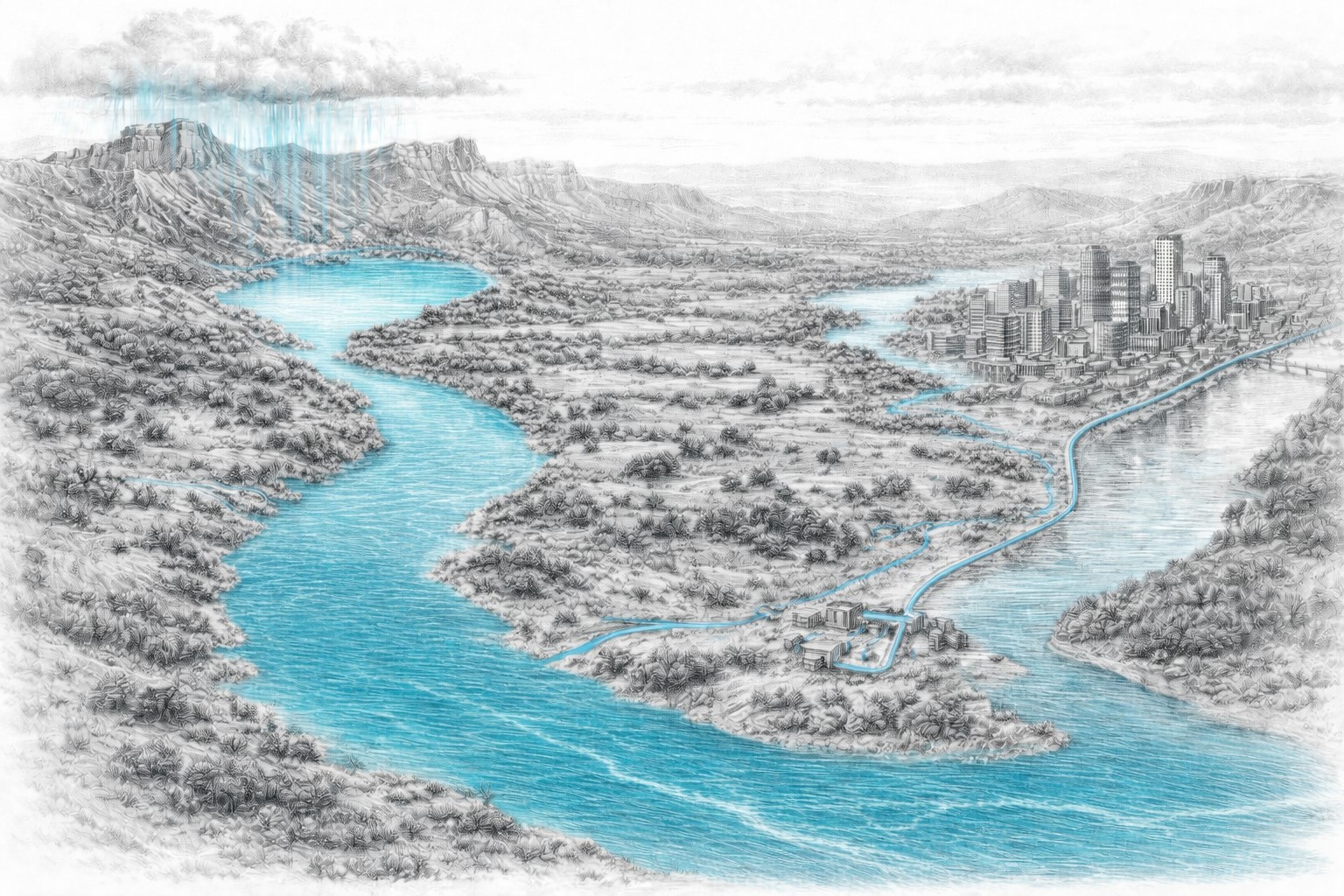
Climate & Hydroclimatic Hazards
Bayesian modeling for global–regional hydroclimatic processes and water resource risk assessment.
What's Next?
Looking ahead, I pursue research that brings together environmental sensing, data-driven modeling, and decision support to build AI-enabled digital representations of urban and environmental systems. The goal is to connect real-world observations, predictive models, and planning tools so that cities and infrastructure systems can be better monitored, understood, and managed more effectively under environmental challenges.
- Physics-informed and AI-enabled digital models for urban, infrastructure, and environmental systems
- Characterization of natural and environmental hazards under nonstationary climate conditions
- Integration of multimodal sensing data into real-time urban informatics platforms
- Decision-support tools linking digital models with policy and infrastructure planning